

Branch Transformation
Branches are getting smaller. Teller lines are disappearing. Routine transactions are moving to self-service. The staff who remain are shifting from counting cash to building relationships, having lending conversations, and selling financial products.
That shift is what branch transformation means in practice, and it is the core of what NextBranch enables.
What Branch Transformation Looks Like
A transformed branch doesn't look like a traditional bank. There's no long teller counter with five or six windows. Instead, you'll see lobby ITMs where members and customers handle their own transactions. Drive-through lanes with ITMs that offer full teller services. A universal banker or concierge greeting people, guiding them to the right machine, and stepping in when the situation calls for a human touch. One teller station with a cash recycler for the transactions that ITMs can't handle yet, like opening accounts or issuing cashier's checks.
The branch footprint shrinks. Some NextBranch customers operate in as little as 300 square feet. Staffing requirements change. Instead of six tellers processing routine transactions, you might have two universal bankers focused entirely on member relationships and one or two lenders. The technology handles the rest.
This isn't theoretical. NextBranch customers are running this model today across the country.

The Technology That Makes It Possible
Branch transformation depends on three product types working together:
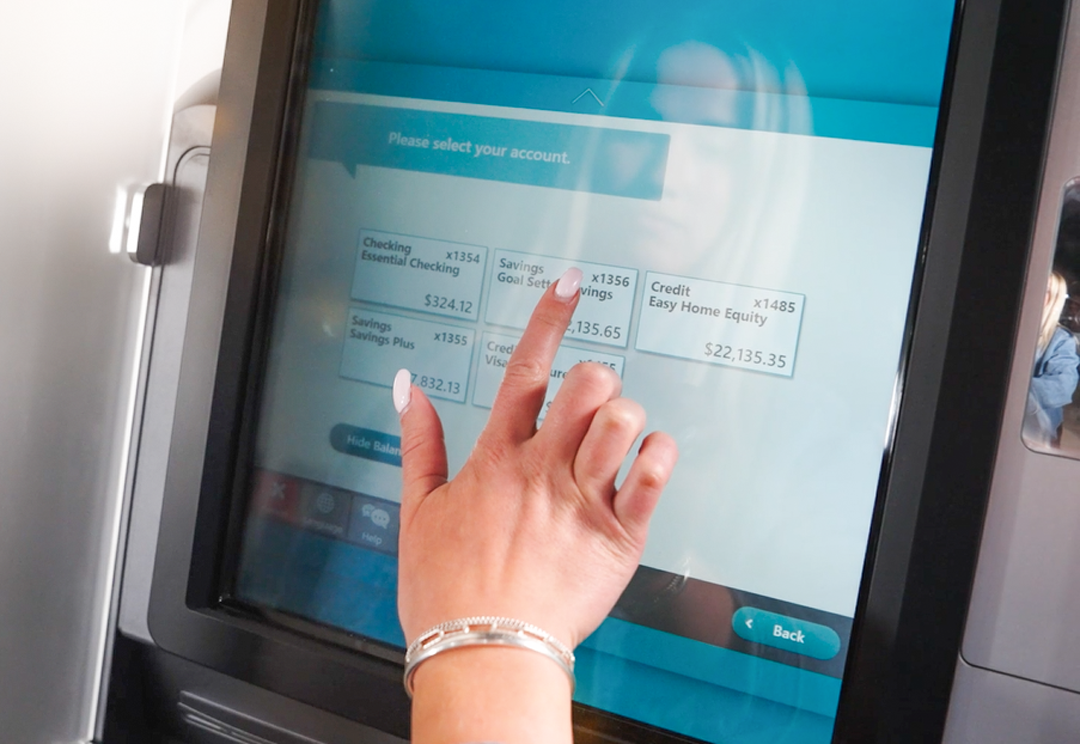
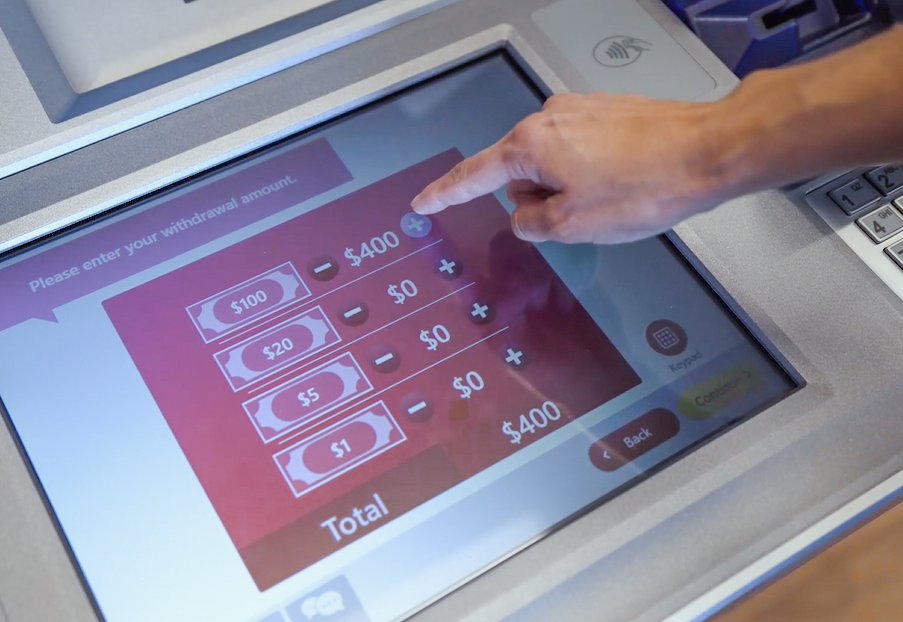
ITMs (Interactive Teller Machines) are the centerpiece. When connected to your institution's core system, ITMs can handle up to 90% of the transactions that would otherwise require a teller: loan payments, account access, check cashing, denomination selection, mini statements, and higher cash withdrawal limits. Members and customers who need help can connect with a video teller at the press of a button.
TCRs (Teller Cash Recyclers) replace the traditional cash drawer at the remaining teller station. They accept mixed cash, sort by denomination, verify authenticity, and dispense for withdrawals. Faster, safer, and far less time spent counting. A TCR also serves as secure cash storage, which means many transformed branches no longer need a traditional vault.
ATMs continue to handle the basics at exterior and off-site locations: cash withdrawals, deposits, balance checks. They serve as the entry point for self-service and the foundation of a fleet that can be upgraded over time.
NextBranch manages all three product types under the same relationship and the same monthly model. You don't need separate vendors for your ATMs, your ITMs, and your TCRs. One partner handles the entire fleet.
Why Financial Institutions Are Making This Move
Branch transformation is being driven by a set of pressures that are only getting stronger.
How NextBranch Supports the Transition
Branch transformation doesn't happen overnight. It's a process, and NextBranch supports it at whatever pace makes sense for your institution.
Start with ATMs. Replace an aging fleet with new, reliable equipment under a managed model. Your team stops dealing with vendors and compliance. This is where many institutions begin.
Upgrade to ITMs. When your branch strategy calls for expanded self-service, NextBranch deploys ITMs and manages the core integration project that unlocks their full capabilities. The same monthly model applies.
Add TCRs. Transform your teller line with cash recyclers that make your remaining tellers faster and more accurate. NextBranch manages the TCRs alongside your ATMs and ITMs.
Go tellerless. Some institutions build entirely new branches with no traditional teller line. ITMs in the lobby and drive-through handle all routine transactions. Staff focuses on relationships and advisory services. Video tellers are one button away for anything that requires a human.
Each step builds on the last. There's no pressure to move faster than you're ready for, and there's no need to change partners as your needs evolve.

No Jobs Lost
One concern that comes up in every branch transformation conversation: are we replacing people?
The answer, consistently, is no. Branch transformation changes what your staff does, not whether they have a job. Tellers become universal bankers. Transaction processors become relationship builders. The work gets better, not smaller.
Institutions that have gone through this transition report that their employees are more engaged, their members are more satisfied, and their branches are more productive. The technology handles the routine. The people handle everything else.
Ready to start the conversation about your branches?
Schedule a conversation with NextBranch to learn how ATM and ITM outsourcing can elevate your branch customer experience.