Key Takeaways – Teller Cash Recycler Costs
- A new teller cash recycler sells for $30,000 to $35,000 per unit. Entry configurations run nearer $25,000, and refurbished units go below that.
- Annualized total cost runs $10,100 to $15,800 per unit on a seven-year life, covering amortized hardware, deployment, service, compliance, and integration licensing.
- Integration with the teller platform is the largest swing factor, worth $4,000 a year on its own. Fleet size decides whether a platform module fee or per-device licensing is cheaper.
- Compliance is the line most published figures omit. Plan on approximately $4,000 per unit per mandated cycle, and at least one cycle across a seven-year machine life.
A teller cash recycler costs $30,000 to $35,000 for the machine, and $10,100 to $15,800 per year once deployment, service, compliance, and integration are counted.
The second number is the one that runs your budget, and it is the one you will not get before somebody walks your branch. The width of that range is not vagueness either. It comes almost entirely from one line, which is how the machine connects to your teller platform. Depending on the platform, that single item swings the annual cost by several thousand dollars per unit.
Here is the full stack, in the order it hits the budget.
The Machine
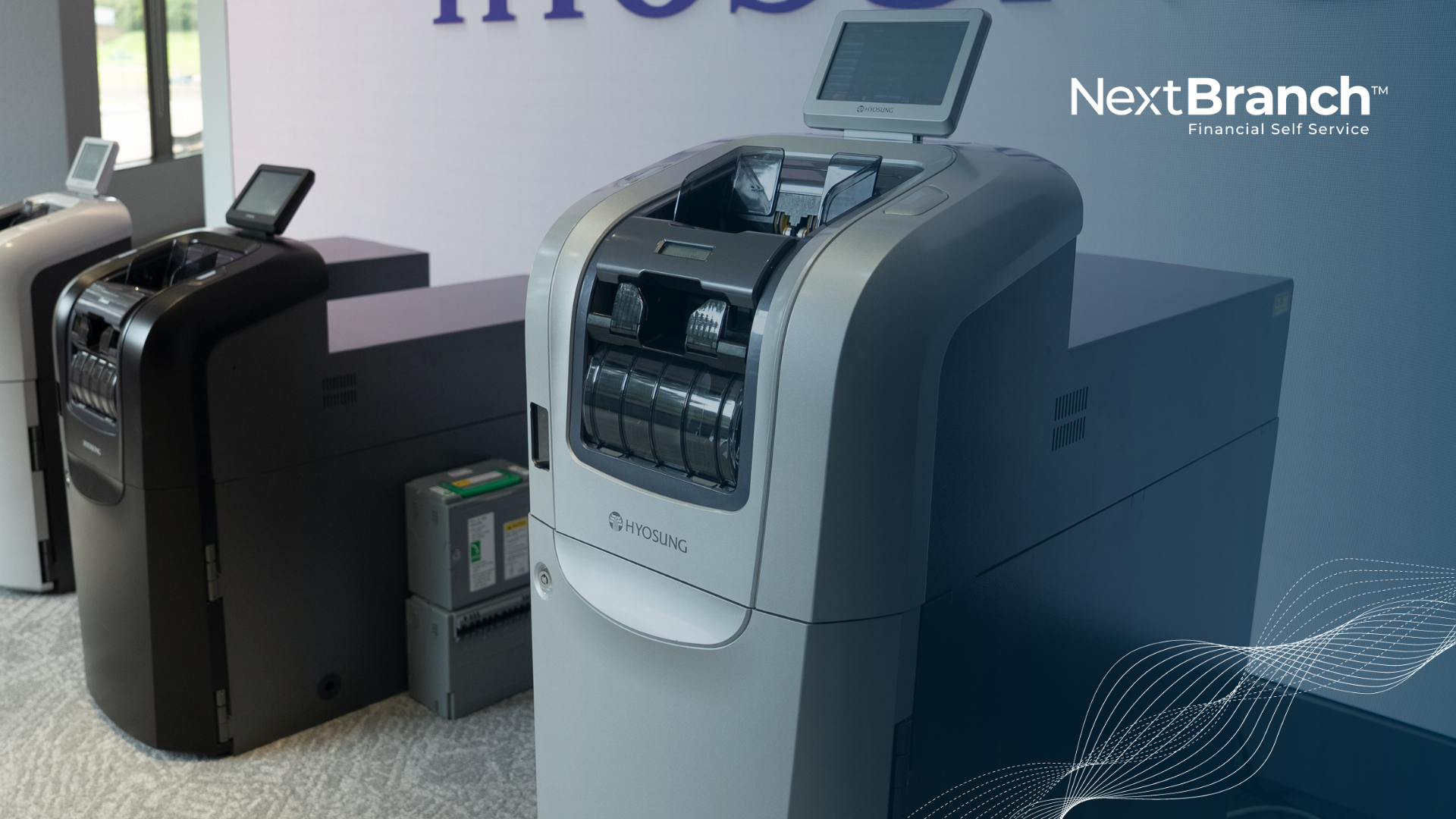
A new teller cash recycler typically sells for $30,000 to $35,000 per unit. Entry configurations with lower note capacity come in nearer $25,000, and refurbished units go below that. Within the range, price tracks note capacity, the number of denominations the machine sorts, and whether a coin dispenser is included.
Take the coin dispenser. It adds roughly $1,500 to $2,000, and skipping it is a false economy. A teller who still counts coin by hand is still counting, and the point of the machine was to stop that.
Configuration matters more than the spec sheet suggests. A unit sized for twice your actual volume is an overspend you never recover. One sized too small keeps producing the vault trips it was bought to eliminate. Getting it right takes a branch analysis covering transaction volumes, cash levels, teller count, and security requirements, which is also the step that gets compressed whenever a deadline is involved.
Getting It in the Building, and Getting Staff on It
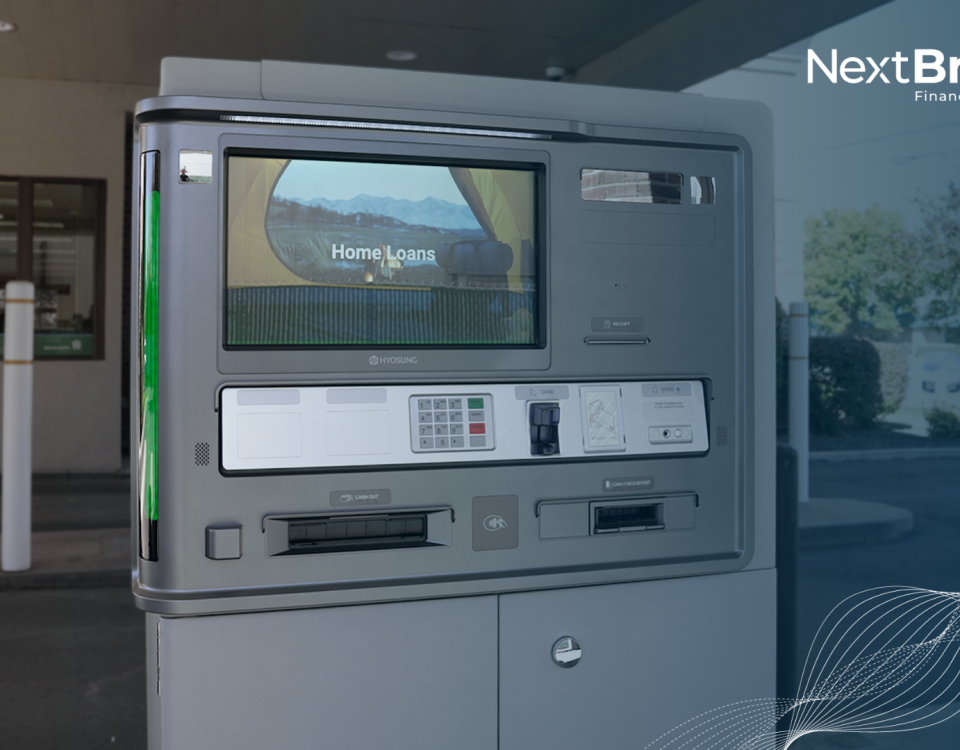
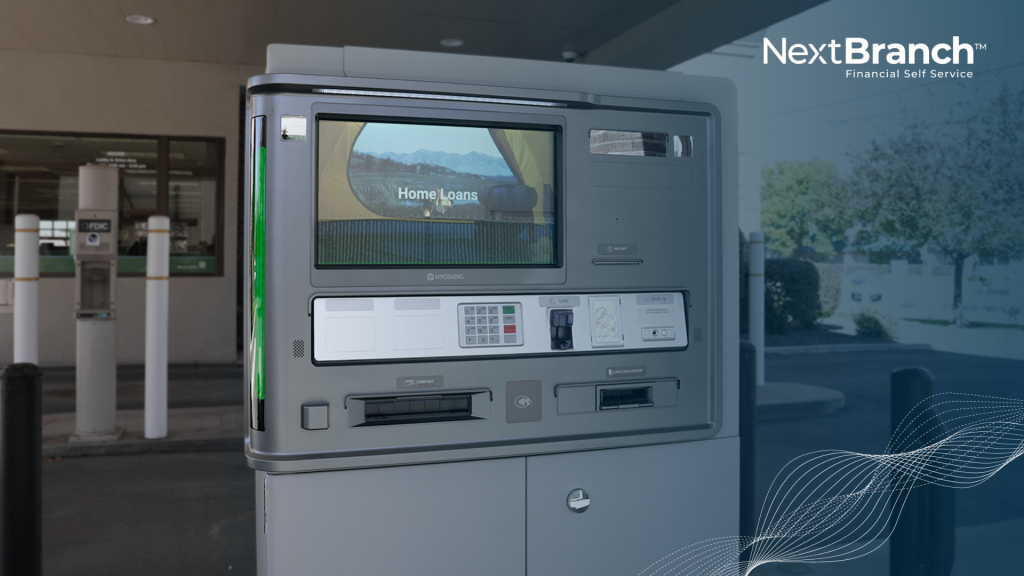
A teller cash recycler weighs roughly 2,000 pounds. That one fact drives most of the deployment cost. The machine has to come in through existing doorways, the floor has to carry it, and in many branches it ends up serving as the cash vault, which changes the security requirements for the space around it.
Budget $3,000 to $3,800 per unit for the site survey, the rigging, and bringing the machine live, plus about $1,300 for freight. Older buildings, upper floors, and branches without a service entrance run past the top of that range.
Training is a separate $1,500 to $2,500 per deployment. It is also the line trimmed most often. What that saves in the budget it gives back in the branch, because tellers who are not confident on a TCR will quietly keep a cash drawer open beside it. A machine running alongside the process it was meant to replace is the worst outcome the project can produce, and no amount of hardware fixes it.
Integration With Your Teller Platform
This is where cost estimates go wrong, and it deserves more attention than the hardware does.
A TCR that does not talk to your teller application still counts and authenticates cash. The teller keys every transaction twice, though, and most of the productivity gain that justified the purchase disappears into duplicate entry. Real integration comes in several forms, priced on very different models:
| Integration approach | How it is typically priced |
| Standalone, no integration | No additional cost, and no relief from dual entry |
| Middleware | License plus annual support |
| Direct core or teller platform integration | Module fee, often $25,000 to $50,000, plus annual cost |
| Per-device licensing | Roughly $1,000 to $5,000 per year per unit |
Fleet size flips the economics entirely. Two machines facing a $40,000 platform module fee are paying more for the connection than for the hardware, so per-device licensing is the better structure. Fifteen machines spread that same fee thin enough that direct integration is cheaper per device and better to work on. Any estimate that has not established which model your platform uses is a placeholder.
What It Costs to Keep Running
Annual maintenance on a current-generation teller cash recycler runs roughly $3,600 to $4,500 per unit, varying with manufacturer, coverage hours, and response commitment.
Read what that coverage excludes. Service agreements define a scope and then bill separately for whatever falls outside it, which on a TCR usually amounts to a few hundred dollars a year. That sounds immaterial right up until a machine has a bad quarter.
Compliance is the line most published cost figures leave out altogether, and it is the main reason those figures run low. A teller cash recycler is a networked device running an operating system, so it carries the same upgrade obligations as everything else in the branch. Expect approximately $4,000 per unit per compliance cycle for mandated software and operating system work. The timing is not yours to set. It follows vendor end-of-support dates and revisions to PCI standards, and across a seven-year machine life you should plan on at least one.
What the Annual Number Looks Like
The purchase price is a capital figure and everything else recurs, so annualized total cost is the comparison worth making.
You will see $10,000 to $12,000 a year cited as the answer. It is in the neighborhood but low, because it generally counts depreciation and maintenance and stops there. Adding deployment and compliance fills in the rest:
| Component | Seven-year life | Ten-year life |
| Hardware, amortized | $4,300 to $5,000 | $3,000 to $3,500 |
| Deployment and freight, amortized | $600 to $700 | $400 to $500 |
| Service and maintenance | $3,600 to $4,500 | $3,600 to $4,500 |
| Compliance, amortized | $600 | $400 |
| Integration licensing | $1,000 to $5,000 | $1,000 to $5,000 |
| Approximate annual total | $10,100 to $15,800 | $8,400 to $13,900 |
Note where the width comes from. Integration is a $4,000 swing on its own. That is how two institutions buy identical machines and end up with materially different economics.
Whatever your number lands at, it is the figure to set beside a labor cost, which is why a TCR evaluation almost always turns into a staffing conversation. A fully loaded teller position, benefits included, exceeds the annual cost of the machine that absorbs a large share of that position's cash handling.
Make that comparison carefully, though. Presenting it internally as a headcount argument creates resistance you did not need to create, and it also misstates what the machine does. A TCR absorbs cash handling. It does not absorb the conversation happening across the counter. The institutions that get the most out of these deployments tend to treat the freed-up time as capacity for customer and member relationships rather than as a position to eliminate, which is a far easier case to make to a branch team whose cooperation you need for the rollout to work.
Where the Subscription Model Changes the Math
Everything above assumes you buy the machine and assemble the surrounding services yourself. The alternative moves equipment, service, compliance obligations, and vendor management into a single monthly fee, turning a capital project with variable recurring costs into one operating line.
Institutions that choose that structure rarely do it for the headline number, which lands in a similar range once everything is counted. They do it for the variance. Look back at the annual table and sort the lines by predictability. Amortized hardware is stable. Service is stable. Compliance is not, because a $4,000 per unit mandate arriving in a year you did not plan for is a real event across a multi-machine deployment, and vandalism and out-of-scope charges behave the same way.
Under a managed services subscription those items sit inside the fee. Compliance upgrades come at no additional cost, out-of-scope charges are eliminated rather than capped, and vendor management moves to the provider. For a CFO building a five-year branch plan, turning three unpredictable lines into one fixed line has value on its own, separate from the total.
Getting to a Real Number for Your Branch
A defensible estimate needs four inputs specific to your institution:
- Daily cash volume and denomination mix per branch, which sets capacity and configuration.
- Your teller platform and its integration pricing model, the largest swing factor in the estimate.
- Branch physical constraints, which set deployment cost.
- Fleet size, which decides whether direct integration or per-device licensing is cheaper.
Bring those four to a vendor conversation and you will get a quote rather than a range. Without them, the numbers here are a starting point for a budget discussion and nothing more.
NextBranch provides fully outsourced ATM, ITM, and teller cash recycler management for community banks and credit unions, covering equipment, expert managed services, compliance upgrades, and vendor management under one monthly fee. The subscription maintains the latest technology across the fleet, and fleet uptime was 99 percent in 2025.
Schedule a consultation to build the cost model for your branches.
Frequently Asked Questions
How much does a teller cash recycler cost?
A new unit typically sells for $30,000 to $35,000. Entry configurations run nearer $25,000 and refurbished units go below that. Price within the range tracks note capacity, denominations sorted, and whether a coin dispenser is included.
What is the total annual cost of a teller cash recycler?
Roughly $10,100 to $15,800 per year on a seven-year machine life, covering amortized hardware, deployment, service, compliance, and integration licensing. On a ten-year life the figure falls to about $8,400 to $13,900. Integration licensing accounts for most of the spread.
Does a teller cash recycler have to integrate with the teller system?
No, but a standalone machine requires the teller to key each transaction twice, which removes most of the productivity gain. Integration is priced either as a platform module fee, often $25,000 to $50,000, or per device at roughly $1,000 to $5,000 per year. Fleet size determines which is cheaper.
How long does a teller cash recycler last?
Plan on seven to ten years. Expect at least one mandated compliance upgrade during that period, at approximately $4,000 per unit.